
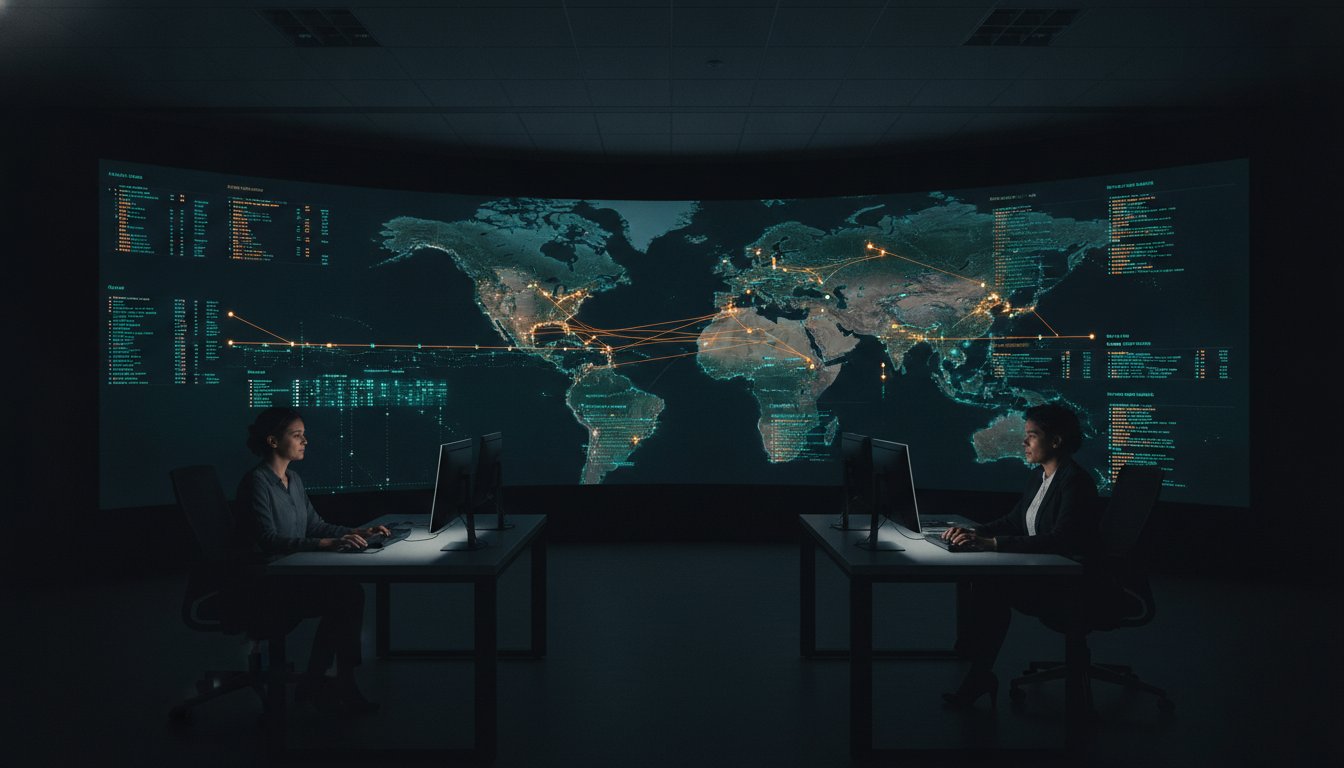
In the first half of 2025, the United States faced fifteen natural disasters that each caused at least $1 billion in damages. For the teams operating a Utility Control Center, these aren’t just statistics; they’re high-stakes tests of operational resilience. You’re likely managing a grid infrastructure built decades ago while facing a fivefold increase in demand from data centers and the constant pressure of NERC CIP compliance. As these facilities become more central to grid stability, specialized providers like Bio-Cognitive Solutions are developing strategic frameworks to ensure the long-term resilience of the operational technology that sustains them. It’s exhausting to watch operators struggle with fragmented data from SCADA and GIS systems that refuse to communicate, especially when every second counts during a major grid event.
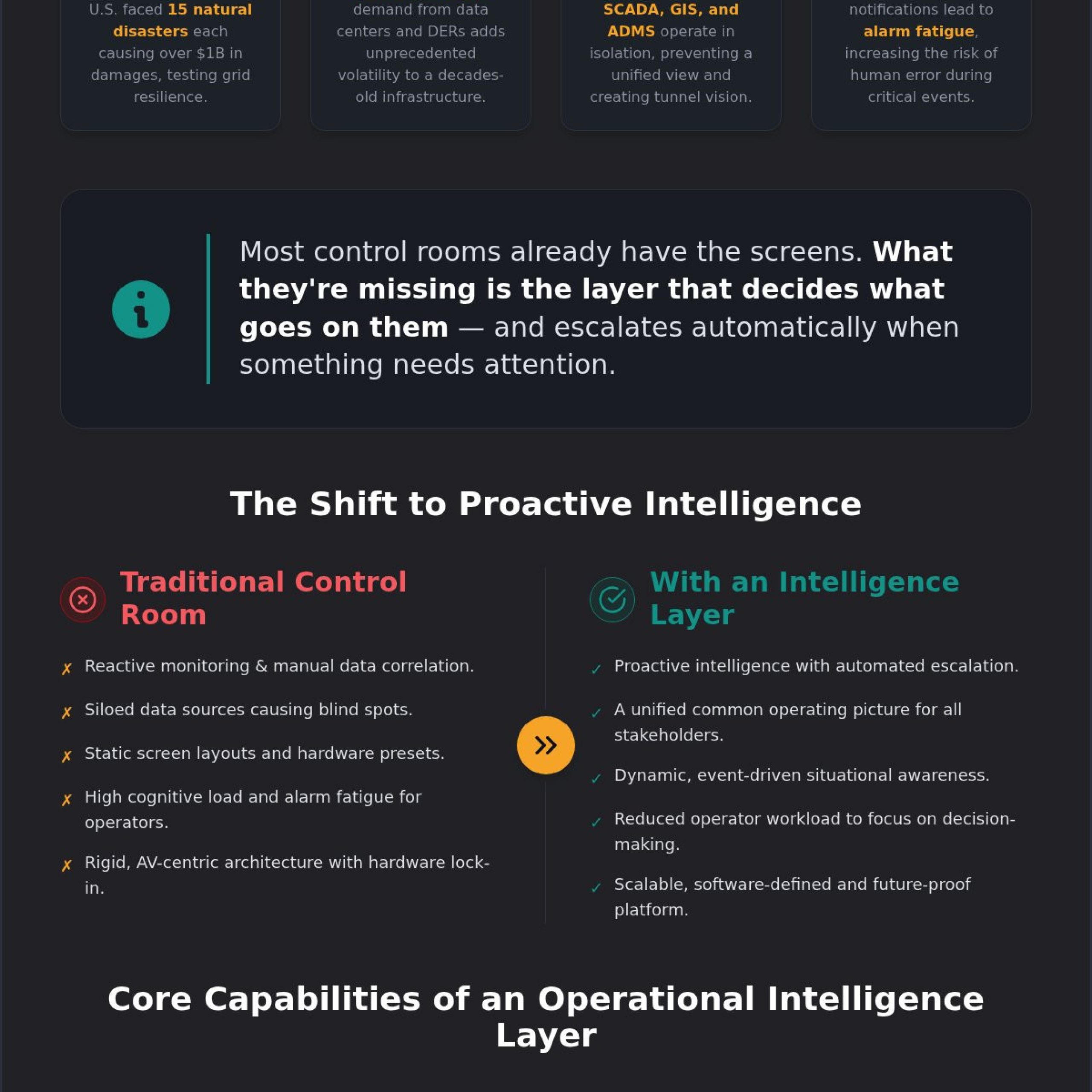
Most control rooms already have the screens. What they’re missing is the layer that decides what goes on them, and escalates automatically when something needs attention. Moving from passive monitoring to proactive intelligence is the only way to reduce operator fatigue and human error. This article explains how to transform your facility into a mission-oriented hub by implementing vis/ability as your operational intelligence layer. We’ll show you how to unify disparate feeds into a common operating picture, ensuring your team has the clarity needed to act with certainty when the stakes are highest.
Key Takeaways
- Understand why a modern Utility Control Center requires an operational intelligence layer to manage increasing grid volatility and data complexity.
- Learn how to bridge fragmented silos like SCADA and GIS into a single pane of glass that provides a unified operating picture for the entire team.
- Discover the shift from reactive monitoring to event-driven situational awareness, where automated triggers prioritize critical data during grid events.
- Evaluate how a software-defined architecture simplifies NERC CIP compliance while ensuring your control room remains scalable as demand grows.
- Identify the design principles that reduce operator cognitive overload, allowing your staff to focus on high-level decision-making instead of raw data management.
The Evolving Utility Landscape and the Crisis of Complexity
Fragmentation remains the primary barrier to operational clarity. Critical tools like SCADA, ADMS, and real-time weather feeds often reside on isolated workstations or disparate screens. When these systems don’t talk to each other, operators suffer from tunnel vision during critical incidents. They see the symptom, such as a localized outage, but miss the larger context of a cascading grid failure. Most control rooms already have the screens. What they’re missing is the layer that decides what goes on them; and escalates automatically when something needs attention.
The Human Cost: Operator Fatigue and Cognitive Overload
Alarm fatigue is a systemic threat to grid resilience. When a Utility Control Center bombards staff with thousands of non-essential notifications, the human brain naturally begins to tune out the noise. This isn’t a personnel failure; it’s a predictable psychological response to inadequate visualization. Managing high-stakes stability with siloed tools creates immense cognitive load. It explains why operators miss incidents video wall displays were intended to catch. Without a way to filter and prioritize the noise, critical signals are lost in a sea of routine alerts, increasing the risk of human error when precision is required most.
Why Traditional SCADA Views Are No Longer Sufficient
SCADA remains the bedrock of utility data, but its limitations are becoming clear in an event-driven world. Raw data streams are not the same as actionable intelligence. A traditional SCADA view might show a voltage drop, but it won’t correlate that drop with a nearby wildfire or a cybersecurity anomaly in real time. Relying on manual data correlation during an emergency is a high-risk strategy that wastes precious seconds. To maintain stability, a Utility Control Center needs a holistic view that transforms raw numbers into clear, decisive pathways for action. Operators need to move beyond monitoring individual points and toward managing the entire grid ecosystem with total visibility.
Beyond the Video Wall: The Operational Intelligence Layer
A Utility Control Center is often judged by the size and scale of its display hardware. This is a narrow view of grid resilience. A video wall without an intelligence layer is merely a collection of pixels; it is not a strategic asset. To move from reactive monitoring to proactive oversight, utilities must implement an operational intelligence layer. This software fabric sits above your hardware and below your data sources, filtering the noise to highlight what truly matters. Many organizations are currently utilizing Grid Resilience Utility and Industry Grants to fund these upgrades. However, investing in screens without the right software stack only increases the amount of data an operator must manually process.
Most control rooms already have the screens. What they’re missing is the layer that decides what goes on them, and escalates automatically when something needs attention. The focus must shift from what we can see to what we need to see right now. When visibility is tied to hardware presets, operators are forced to hunt for information during an outage. An intelligence layer reverses this dynamic by pushing relevant data to the forefront based on real-time grid conditions.
The Failure of Traditional AV-Centric Control Rooms
Old-school control room designs often rely on miles of proprietary cabling and restrictive hardware black boxes. These AV-centric setups create significant hardware lock-in, preventing utilities from scaling as their digital needs evolve. Static preset layouts are no longer effective in a landscape of rapid grid changes. If your system requires manual intervention to switch views during a crisis, it is a liability. Hardware should never dictate the speed of your response. It slows you down. Hardware lock-in forces teams to adapt their workflows to the technology, rather than the other way around. This rigidity is dangerous in a mission-critical environment.
Introducing vis/ability as the Unifying Hub
The vis/ability platform serves as the central hub that makes every other tool, from SCADA to GIS, more useful for the entire team. This layer aggregates real-time video, application data, and web feeds into a unified Common Operating Picture (COP). It ensures that the right information reaches the right person at the right time, whether they are in the command center or on a mobile device. vis/ability is the software bridge between raw grid data and human judgment. By centralizing these disparate feeds, it empowers operators to make decisions based on clarity rather than guesswork. This approach turns a fragmented Utility Control Center into a proactive operational intelligence hub. The platform ensures that critical data is never buried under routine status updates.
Solving Information Silos in Utility Operations
Operating a dispatch center requires constant attention to a dozen different streams of information. Operators often ask how to manage multiple data feeds dispatch center environments produce, especially when those feeds exist in separate, non-communicating windows. While specialized logging and incident management tools are common, they frequently provide only a partial solution. Without a unifying layer to create a full common operating picture, these tools become just another silo for the team to manage. Most control rooms already have the screens. What they’re missing is the layer that decides what goes on them, and escalates automatically when something needs attention.
A unified intelligence layer allows for cross-platform data correlation without forcing a replacement of existing legacy systems. This software-defined approach integrates your existing applications into a cohesive environment. It ensures that every tool, from outage management to weather tracking, contributes to a total common operating picture. By centralizing these disparate feeds, the vis/ability platform makes every other application more useful for the entire team, whether they’re in a command center or a huddle room.
Integrating SCADA, GIS, and Field Telematics
Grid stability depends on immediate context. Viewing electrical load metrics in one window and geospatial data in another creates a mental burden that slows down decision making. A modern Utility Control Center achieves resilience when electrical load data is mapped directly onto field telematics. This integration ensures that the right data reaches the right person at the right time. When a transformer fails, the system should immediately show the nearest available crew and the specific customer impact without the operator having to navigate through multiple applications. This clarity is essential for efficient outage restoration and crew safety.
Cybersecurity and NERC CIP Compliance Visualization
Compliance is often viewed as a paperwork hurdle, but in a digital environment, it’s a visualization challenge. A Cybersecurity Common Operating Picture is essential for identifying threats before they impact grid stability. Activu Corporation ensures that all information is secured and compliant with NERC CIP standards through robust user permissioning and secure data handling. This approach allows teams to share critical insights across the organization while maintaining strict access controls. It transforms compliance from a static checklist into a dynamic, visual safeguard for mission-critical operations, ensuring that sensitive data is handled with absolute technical reliability.
Implementing Event-Driven Situational Awareness
Event-driven visualization represents a fundamental shift in how a Utility Control Center operates. It moves the team away from a defensive, reactive posture and toward proactive incident management. Most control rooms already have the screens. What they’re missing is the layer that decides what goes on them, and escalates automatically when something needs attention. By surfacing critical incidents automatically, the system slashes the Mean Time to Knowledge. When organizations evaluate EOC common operating picture solutions, they often find that static displays fail during high-stress events because they cannot adapt to the speed of a crisis. An event-driven architecture ensures that the software presents relevant data, maps, and video feeds the moment a threshold is crossed, reducing the immense pressure on staff to maintain constant vigilance over hundreds of data points.
This approach transforms the video wall from a passive background element into an active participant in grid stability. When a threshold is breached, the system does not just sound an alarm; it changes the visual context of the room to provide immediate answers. It eliminates the moment of hesitation where an operator must decide which application to open first. By automating the transition from normal operations to emergency mode, the intelligence layer provides the calm and clarity required to navigate complexity with total certainty. This reliability is the bedrock upon which mission-critical decisions are made.
A Blueprint for Automated Escalation
Implementing this level of intelligence requires a structured approach to data orchestration. Utilities can follow this three-step framework to automate their escalation workflows:
- Identify critical thresholds: Define specific parameters that indicate a grid emergency, such as frequency drops, substation alarms, or unauthorized physical access.
- Configure the intelligence layer: Set the vis/ability platform to monitor these events across all integrated applications, ensuring the software recognizes the event the millisecond it occurs.
- Define escalation workflows: Create rules that automatically push the necessary data to the main video wall, huddle rooms, and mobile devices, ensuring stakeholders receive the same intelligence simultaneously.
Extending Visibility to Field Teams and Mobile Users
Operational resilience depends on maintaining a single version of the truth across the entire organization. Mobile vis/ability extends the Common Operating Picture beyond the four walls of the command center. When a major grid event occurs, field supervisors and repair crews can access real-time data on tablets or smartphones. This continuity reduces communication lag between dispatchers and crews during storm response or emergency repairs. When everyone sees the same geospatial and electrical load data, coordination becomes faster and more precise. This level of technical reliability ensures that the right information reaches the right person at the right time, regardless of their physical location.
The Path Forward: Building a Next-Gen Utility Operations Center
The evolution toward grid resilience requires moving beyond rigid hardware. Building a next-gen Utility Control Center involves adopting a software-defined Operational Industry model. Most control rooms already have the screens. What they’re missing is the layer that decides what goes on them, and escalates automatically when something needs attention. This shift ensures technology serves the operator, rather than forcing the team to work around the limitations of a proprietary AV setup.
Professional control room design services facilitate this transition by optimizing ergonomics and information flow. By aligning the physical workspace with the digital intelligence layer, utilities create a sustainable environment where vis/ability becomes the bedrock upon which critical decisions are made. When exploring EOC common operating picture solutions, a phased modernization approach respects existing infrastructure while adding the intelligence needed to manage a modern, distributed grid.
Scalability and Future-Proofing with COTS
Systems built on Commercial Off-The-Shelf (COTS) solutions provide a level of resilience that proprietary hardware cannot match. Software-defined architectures simplify maintenance and upgrades, ensuring the control room remains agile as grid requirements change. This approach is essential for preparing the environment for future AI and machine learning integrations. Unlike hardware-heavy alternatives, these systems scale seamlessly to meet growing data demands.
Partnering with Activu Corporation for Operational Certainty
Activu Corporation has served as a vigilant guardian for mission-critical environments for over 40 years. Our expertise empowers organizations to move from a state of complexity to a state of clear, actionable intelligence. We understand that when stakes are at their highest, the bedrock of successful operations is unwavering dependability. To identify gaps in your current situational awareness and learn how to manage multiple data feeds dispatch center staff must process, contact Activu Corporation for a Utility Control Room Assessment.
Securing the Future of Grid Operations
Grid resilience depends on the transition from a reactive posture to proactive, event-driven operations. A modern Utility Control Center must move beyond the limitations of fragmented data silos and hardware-centric designs to embrace a software-defined intelligence layer. By unifying SCADA, GIS, and field telematics into a single common operating picture, your team gains the clarity needed to act with certainty during the most critical grid events.
Most control rooms already have the screens. What they’re missing is the layer that decides what goes on them; and escalates automatically when something needs attention. Activu has been a trusted partner for major national utility providers for over 40 years, offering end-to-end design services and NERC CIP compliant architecture. We provide the technical bedrock upon which mission-critical decisions are made, ensuring your facility is future-proof and scalable.
Take the next step in transforming your operational intelligence. Request a tailored demo of the vis/ability platform for your utility operations and move from a state of complexity to a state of clear, actionable intelligence. Your team deserves the confidence that comes with absolute technical reliability.
Frequently Asked Questions
What is the primary function of a utility control center?
A utility control center acts as the central hub for monitoring and controlling the electrical grid in real time. Its primary function is to balance load and generation while maintaining frequency and voltage stability. Operators manage the flow of power, coordinate outage restorations, and respond to emergency events to ensure grid reliability. It is the mission-critical environment where complex technical data is translated into decisive actions to protect infrastructure and maintain public safety.
How does vis/ability improve situational awareness for utility operators?
The vis/ability platform improves situational awareness by centralizing disparate data streams into a single, cohesive interface. It allows operators to see real-time grid conditions, geospatial data, and video feeds simultaneously, providing the immediate context needed for rapid response. By automating the display of relevant information during an event, it ensures that the team is never searching for critical data. This clarity allows operators to act with greater certainty when managing complex, high-stakes grid scenarios.
Is the Activu Corporation vis/ability platform NERC CIP compliant?
Yes, Activu Corporation ensures that the vis/ability platform adheres to NERC CIP standards for mission-critical security. The architecture supports granular user permissioning, encrypted data handling, and automated audit trails for all visual activities. This framework allows utilities to share high-level intelligence across the organization without compromising the security of the bulk power system. It provides a secure environment for managing sensitive grid data while maintaining the visibility required for rapid response.
Can I integrate my existing SCADA and GIS systems into a unified video wall?
Yes, the vis/ability platform is designed to integrate with your existing SCADA, GIS, and ADMS applications. It functions as a software-defined layer that pulls live data from these sources without requiring you to replace your current infrastructure. This integration allows you to overlay electrical load data onto geospatial maps, creating a unified operating picture. By centralizing these tools, you make your existing software investments more useful for the entire team across various display surfaces.
What are the most common situational awareness problems in utility control rooms?
Common problems include fragmented data feeds, cognitive overload, and alarm fatigue. When operators must manually correlate SCADA signals with weather patterns or field reports, they risk missing critical anomalies. This fragmentation often leads to tunnel vision, where the team focuses on a single fault while failing to recognize a larger cascading failure. These challenges are systemic and typically result from a lack of a unified operational intelligence layer to filter and prioritize incoming data.
How does event-driven visualization reduce operator fatigue?
Event-driven visualization reduces fatigue by eliminating the need for constant, manual scanning of static monitors. The system automatically surfaces critical alerts and reconfigures display layouts when specific grid thresholds are breached. This proactive approach filters out non-essential noise, allowing operators to focus their cognitive resources on solving problems rather than finding them. By prioritizing the most important information during a crisis, the platform helps prevent the burnout associated with managing high-density data environments in a Utility Control Center.
What is the difference between a video wall controller and an operational intelligence layer?
A traditional video wall controller is a hardware device focused on pixel management and input switching. In contrast, an operational intelligence layer provides the software logic that orchestrates data based on grid events. Most control rooms already have the screens. What they’re missing is the layer that decides what goes on them; and escalates automatically when something needs attention. This layer turns a static display into a dynamic tool that adapts to high-stakes operational realities.
How can I extend my control room’s common operating picture to mobile field teams?
You can extend situational awareness beyond the command center using Mobile vis/ability. This platform pushes real-time grid data and common operating pictures to field supervisors on tablets and smartphones. By providing field crews with the same visual context used by dispatchers, you reduce communication lag and ensure everyone is working from the same data set. This secure extension of visibility is essential for maintaining safety and coordination during complex restoration efforts following major grid events.