

Cyber Monday isn’t just an e-commerce event. It’s one of highest-traffic days of the year for every enterprise—far beyond retail.
Visability ensures SOC, NOC, GSOC, and fusion center teams stay fully informed, fully connected, and fully in control when cyber events hit—especially during peak-risk periods.
In many ways, Cyber Monday is the global stress test for modern digital infrastructure.
On Cyber Monday, network loads surge, threat actors exploit distraction, and SOC/NOC teams face heightened pressure on uptime, incident response, and organization reliance.
2024 Holiday Season Threat Outlook
U.S. holiday retail sales are expected to rise 3.7-4.2%, expanding attack surfaces through increased traffic and transaction volume. Analysts forecast:
Attack volume surge
~30% increase in cyberattacks during holiday periods.
Phishing campaigns up 25% YoY.
Ransomware Spike
Half of ransomware events occur immediately after major commercial days.
Retail ransomware is projected to climb to 58% from Q3 to Q4
Dominant Vectors
Social engineering (including deep fakes), AI-driven phishing, and supply-chain intrusions
Fortune 500 Risk
Resilience forecasts at least one major Fortune 500 compromise driven by AI-based social engineering.
With average retail reach costs at $3.48M, stakes are rising fast.
Retail giants like Amazon and Walmart may be primary targets—but non-retail enterprises are just as vulnerable, often through “back-door” exposer as employees and customers shop online using corporate devices or networks.
Major 2024 Fortune Cyber Incidents
The following high-impact attacks from 2024 illustrate the threat landscape Fortune 500 organizations face—magnified even further during the holiday season.
January 2024
LoanDepot
- Incident Type:
Ransomware (BlackCat/ALPHV) - Impact:
16.9M individuals impacted; exposed SSNs, date of birth, contact info, and financial account numbers. Proposed ransom $6M. - Financial Loss:
$27M
Mid-2024
Santandar Bank
- Incident Type:
Third-Party Data Breach (Snowflake) - Impact:
30M customer records exposed across Spain, Chile, and Uruguay: ~12,786 U.S. employees had sensitive PII compromised. - Financial Loss:
Not publicly disclosed.
Mid-2024
Live Nation Entertainment (Ticketmaster)
- Incident Type:
Third-Party Data Breach (Snowflake) - Impact:
560M customer records stolen, including names, emails, addresses, and payment information. - Financial Loss:
Estimated $454.9M
February 2024
Prudential Financial
- Incident Type:
Data breach/Unauthorized Access - Impact:
2.5M individuals exposed—names, addresses, driver’s licenses/ ID data. - Financial Loss:
Not disclosed; company reported no “material impact: on operations to date.
Mid-2024
AT&T
- Incident Type:
Third-Party Data Breach (Snowflake) - Impact:
100M+ customers affected; exposed call logs and personal data caused widespread phishing risk—especially during mobile-shopping surges. Increased phishing risks during holiday mobile surges. - Financial Loss:
$177M settlement.
December 2024
Starbucks
- Incident Type:
Ransomware (via Blue Yonder third-party provider) - Impact:
Outages across scheduling, payroll, ordering, and supply-chain systems. Disruption hit both the Starbucks app and in-store operations during peak shopping weeks. - Financial Loss:
Estimated Millions.
Holiday 2024-2025: What Fortune 500 Leaders Must Prepare For
The holiday season significantly amplifies enterprise cyber risk. Key areas requiring heightened focus:
- Supply Chain & Third-Party Risk:
External SaaS platforms and cloud databases (e.g., Snowflake) continue to be major attack vectors - Reputation & Trust:
Breaches during the holidays increase customer fallout, fraud exposer, and regulatory scrutiny.
- Identity & Access Risks:
Employee holiday shopping increase credential theft, phishing susceptibility, and session hijacking. - Cyber Resilience:
Zero Trust architecture, continuous credential monitoring, and AI-aware phishing training are now baseline requirements.
Cyber insurance, compliance alignment, and incident-response readiness are becoming non-negotiable for Fortune 500 companies.
How visability Protects SOC/NOC/GSOC/Fusion Centers Teams During High-Threat Periods
Visability from Activu helps Global IT & Cybersecurity organizations cut through the noise during critical incidents—delivering real-time clarity when stakes are at their highest.
- Unified situational awareness
- Faster incident response during ransomware, DDoS, and data breaches
- Instant view across systems and devices
- Seamless communication across SOC, NOC, and executive teams
Cyber Monday will challenge every organization’s resilience. Visability ensures cybersecurity is never a blind spot.
Be Ready for Anything
From daily patrols to high-profile events, your team needs real-time intelligence and seamless coordination. Vis/ability gives campus police and emergency personnel the tools to anticipate, respond, and adapt.
Discover how visability can transform your organization. Contact us today to request a demo.
Public Safety Case Studies
- Port of Long Beach Opens Cybersecurity Defense Operations Center, Running on vis/ability
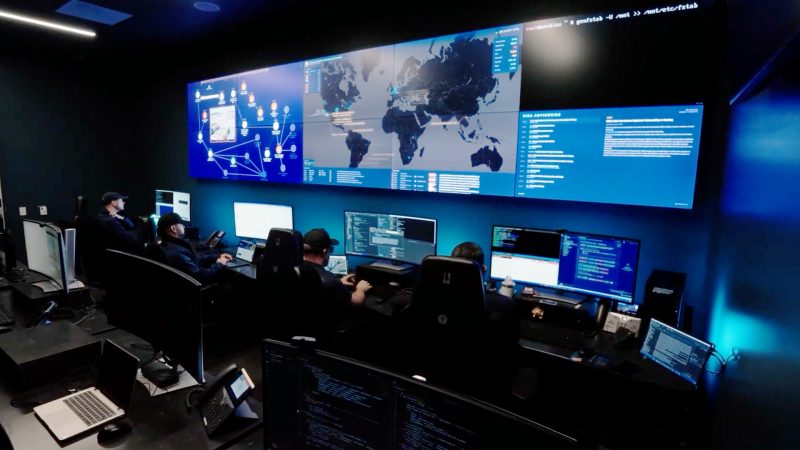 The Port of Long Beach has opened a new center dedicated to defending one of America’s busiest seaports against cyberattacks that could disrupt global goods movement and the millions of U.S. livelihoods it supports.
 - Building a Modern, Scalable, Integrated Manufacturing Control Room
 Vis/ability unlocked greater operational efficiency and a happier workforce at Impact Guard’s manufacturing centers.
 - Twin NASA Control Room Support Artemis II Mission Success
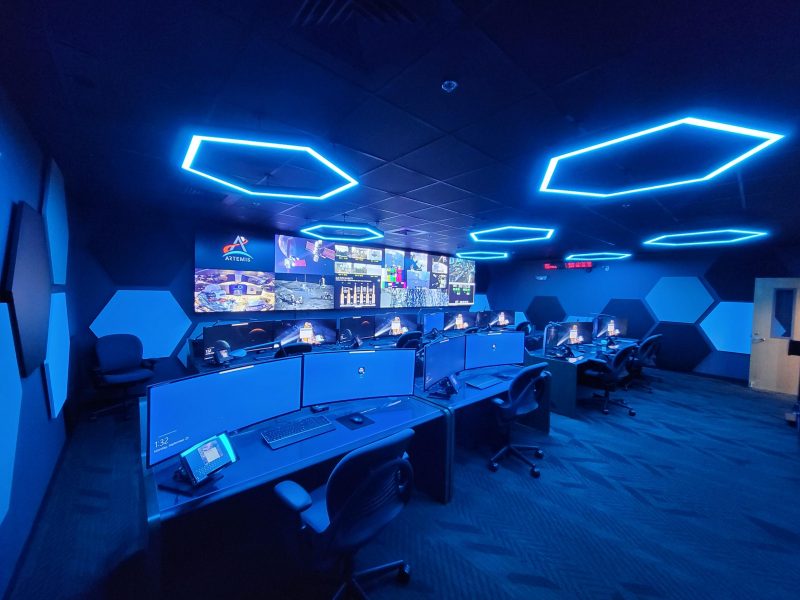 Visability from Activu is helping to support the NASA Artemis mission. The command centers LUCA, which supports Artemis science operations, and LESA, which provide engineering support for landing astronauts on the moon, both rely on visability for flexibility, scalability, and team collaboration.
 - Advanced Emergency Response Integrated Environment at the Pentagon
 Activu’s software platform was the only one that could agnostically unify multiple systems for the Pentagon’s common operating picture.
 - Real-Time IT Incident Response Across Continents
 A multinational, Fortune 500, global top-10 oil and gas company set a goal to synchronize their Global IT operations across Regional Operations Centers (ROCs) in the US, Europe, and Asia.
 - Visability: The Unifying Platform for a City’s Digital Convergence
 This Israeli city trusts vis/ability for their information security, improving the city’s visual monitoring center, and providing better services for both residents and municipal employees
 - Port of Long Beach (POLB)
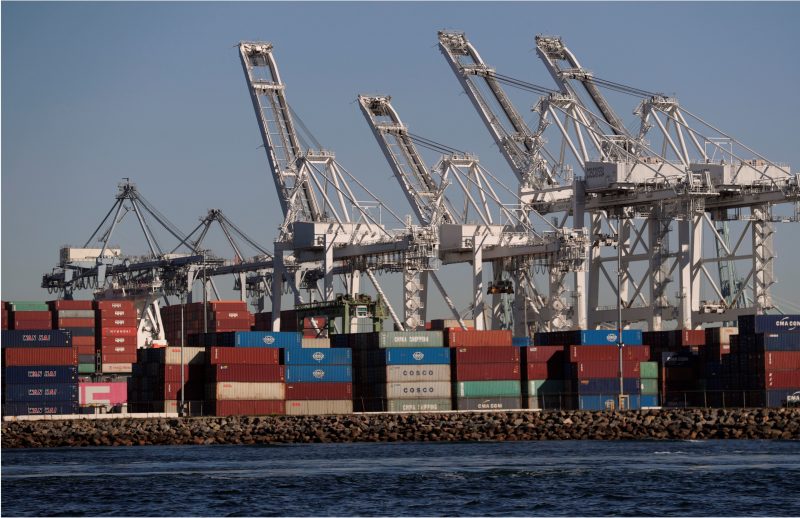 Port of Long Beach is one of the busiest container ports, moving ~ $100B in cargo annually
 - Fortune 500 Bank: Modernizing the Digital Business.
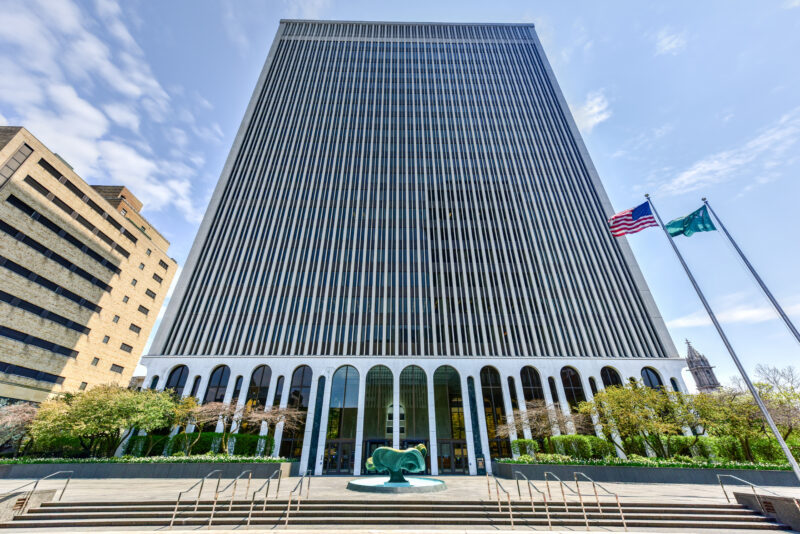 A Fortune 500 American bank’s modernization efforts required a new Network Operations Center (NOC) to keep the digital business running smoothly and securely.
 - Staying on course in the throes of a global pandemic
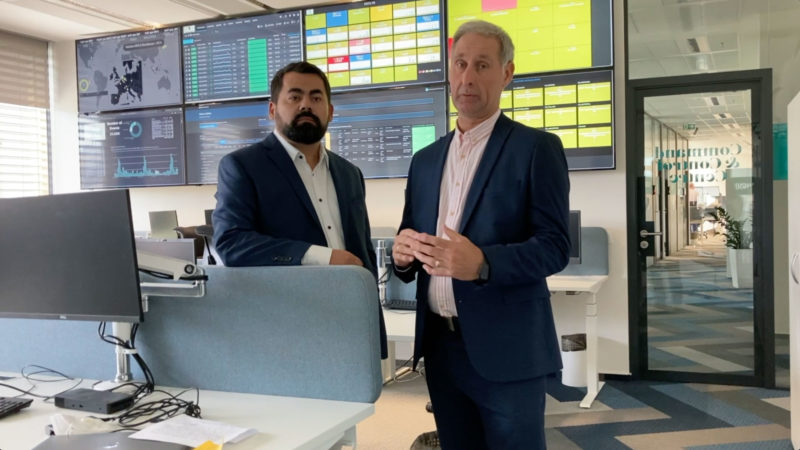 Vis/ability empowered The Adecco Group—and its remote workforce during the COVID pandemic lockdowns—to leap ahead of the quickly-changing world by also integrating with the ServiceNow platform.
 - Operational Excellence Ensuring 150 Million Happy Visitors Per Year
 Challenge A global media and entertainment conglomerate installed a video wall in their a network operations center. Before long, they… Read more: Operational Excellence Ensuring 150 Million Happy Visitors Per Year